新書推薦:
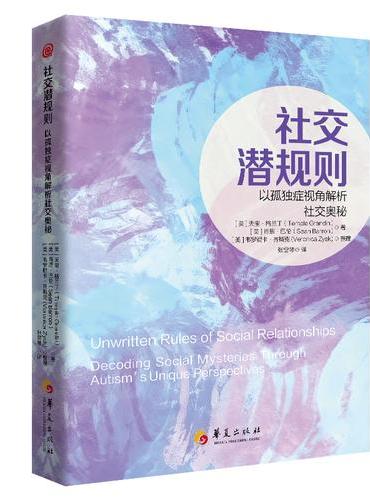
《
社交潜规则:以孤独症视角解析社交奥秘
》
售價:NT$
352
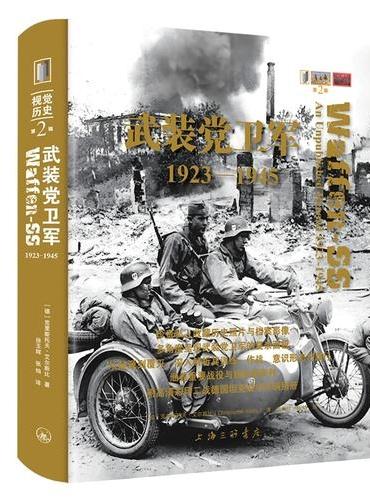
《
武装党卫军:1923-1945
》
售價:NT$
490

《
大宋全书:全景图谱解构宋朝,一部读懂中国历史黄金时代 赠大宋名人信息图+盒装天然线香+东京梦华三面书
》
售價:NT$
4070

《
季风亚非:文化交流与郑和下西洋
》
售價:NT$
653

《
梁思永夏鼐往还书札
》
售價:NT$
653
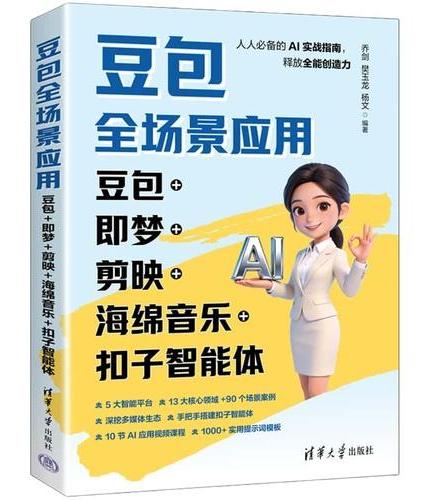
《
【清华豆包AI全场景应用】豆包全场景应用:豆包+即梦+剪映+海绵音乐+扣子智能体
》
售價:NT$
356
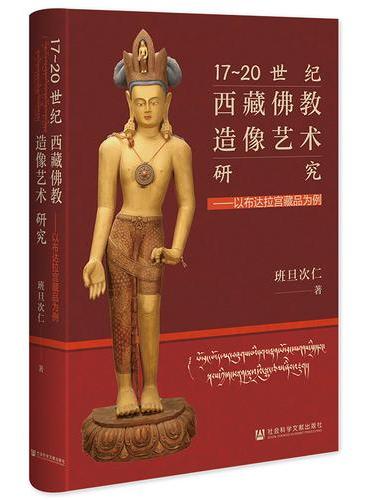
《
17~20世纪西藏佛教造像艺术研究
》
售價:NT$
806
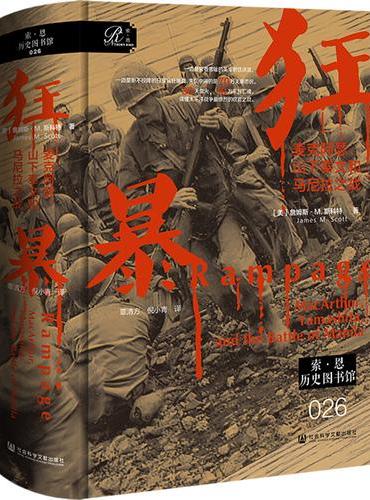
《
索恩丛书·狂暴:麦克阿瑟、山下奉文和马尼拉之战
》
售價:NT$
709
|
| 內容簡介: |
|
在全球化与文化多元交织的时代背景下,大学英语教育作为高等教育体系的关键环节,肩负着重要使命。它不仅是语言技能的传授平台,更是文化传承与交流的桥梁,同时承担着为建设社会主义文化强国培育复合型英语人才的重任。为紧跟时代发展步伐,满足社会对高素质外语人才的迫切需求,教学改革创新已成为大学英语教育发展的核心课题。 《金华文化英语新编》是在新时代背景下,为适应教学改革需求、培养兼具国际视野与文化自信的复合型人才而精心编写的教材。本书深入挖掘婺文化的历史渊源、思想内涵和现代价值,帮助大学生加深对中国文化的理解,培育家国情怀与国际视野,提升用英语讲好中国故事的能力,使其成为传播中华优秀文化、弘扬社会主义核心价值观的使者。
|
| 目錄:
|
|
Unit 1 General Survey 1 Text A Great China 5 Text B Charming Jinhua 12 Supplementary Reading 18 Unit 2 Philosophical Thinking 23 Text A An Overview of Chinese Philosophy 27 Text B Lü Zuqian and School of Wu Learning 34 Supplementary Reading 40 Unit 3 Education and Academy 45 Text A Dynastic Education 49 Text B Sparkling Jinhua Academy 56 Supplementary Reading 62 Unit 4 Currency and Economy 65 Text A Ancient Chinese Currency 69 Text B Wu Business 76 Supplementary Reading 82 Unit 5 Poetic Literature 87 Text A An Overview of Chinese Poetry 90 Text B People’s Poet: Ai Qing 97 Supplementary Reading 101 Unit 6 Characters and Arts 105 Text A Chinese Characters and Calligraphy 108 Text B Huang Binhong: Drawing Calligraphy into Painting 115 Supplementary Reading 122 Unit 7 Enchanting Folk Arts 127 Text A Charming Chinese Opera 130 Text B Typical Wuju Opera 136 Supplementary Reading 141 Unit 8 Food and Specialty 145 Text A Chinese Food Culture 149 Text B Jinhua Ham 156 Supplementary Reading 161 Unit 9 Folk Customs 165 Text A Cultural Meaning in Ordinary Customs 169 Text B Amazing Bench Dragon of Pujiang 176 Supplementary Reading 181 Unit 10 Grand Landscapes 185 Text A Mount Taishan: Spirit of China 189 Text B Mount Chisong: Legend of Huang Daxian 195 Supplementary Reading 200 Unit 11 High-quality Belt and Road Cooperation 205 Text A BRI Promotes a More Equitable and Peaceful International Order 208 Text B China-Africa Cooperation, Creating Benef icial Opportunities 215 Supplementary Reading 220 References 223 Afterword 227
|
|

 購物車/收銀台(0) | 在線留言板
| 付款方式
| 聯絡我們
| 運費計算
| 幫助中心 |
加入書簽
購物車/收銀台(0) | 在線留言板
| 付款方式
| 聯絡我們
| 運費計算
| 幫助中心 |
加入書簽 HOME
HOME 新書上架
新書上架



